What to Look for When Buying a Used Yacht
· Captain Jeff
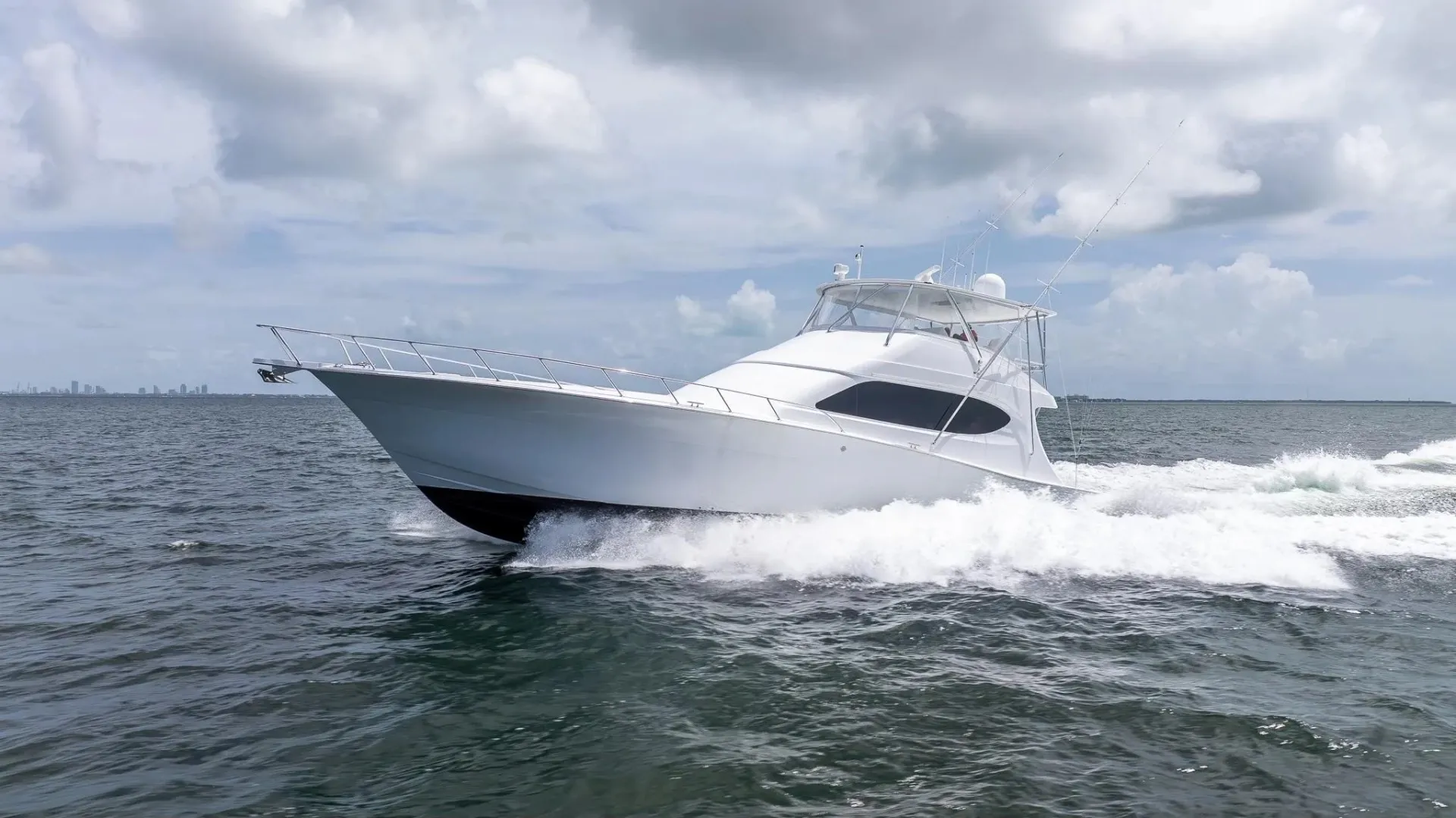
A used yacht can be the smartest purchase in boating. Someone else absorbed the initial depreciation, the bugs are usually sorted, and the equipment list is often longer than what you would get on a new build. The catch is that a used vessel carries a history, and some of that history is written in places you cannot see from the dock. Knowing where to look, and what to leave to a professional, turns a nervous shopping experience into a confident one. Every boat for sale listing tells a story, and your job is to read between the photos.
The guidance below is about process, not about any single listing. It applies whether you are shopping a bowrider, a fishing boat, a cruiser, or a larger motor yacht. Prices and inventory vary enormously by region and season, so treat any specific figure you see online as a starting point for a conversation rather than a settled fact.
Start with the mission, not the listing
Most buyer regret traces back to a mismatch between the boat and the way it actually gets used. Before you scroll another page of listings, write down the honest version of your boating life: how many people typically come aboard, how far you realistically travel, whether you overnight, whether you trailer, and how much time you can dedicate to maintenance. A boat that is perfect for day trips on a lake is a poor choice for coastal cruising, and the reverse is equally true.
Once the mission is defined, the shopping list narrows fast. You can filter by hull type, propulsion, and layout with purpose instead of browsing whatever looks good in photos. That discipline saves weeks and keeps you from falling for a vessel that is beautiful but wrong for your water.
Hull, deck, and structure
The hull and deck are the most expensive things to fix and the hardest to disguise. Walk the entire boat slowly, on a bright day if possible, and look for symmetry. A hull that has been repaired should be smooth and fair, not wavy or lumpy along the sides.
Gelcoat, crazing, and stress cracks
Fine spider cracks in gelcoat are common on older boats and often cosmetic. Cracks that radiate from a corner, a cleat, or a stanchion base tell a different story, usually one of impact or flexing. Look closely around hardware mounting points, chines, and the hull-to-deck joint. Any crack that catches a fingernail deserves a professional opinion.
Moisture and delamination
Soft spots in a deck feel like a sponge underfoot. Tap the deck and transom with a light hammer or the handle of a screwdriver and listen for a dull thud instead of a crisp tap. A marine surveyor will use a moisture meter to confirm what your ears suspect. This is not a step to shortcut, because core replacement is significant work.
Through-hulls and running gear
Inspect every through-hull fitting, seacock, and hose clamp below the waterline. They should open and close smoothly and show no corrosion or weeping. Check the propeller, shaft, struts, and rudders for dings, bent blades, or fishing line wrapped around the shaft. A quick haul-out during the survey is the only way to see this properly.
Engines and mechanical systems
Engines are where budgets go to die, so give them real attention. Ask for maintenance records first, then look at the machinery. Fresh paint and a spotless bilge can be good signs, or they can be cosmetics applied for the listing photos. Consistency matters more than shine.
- Check engine hours and compare them against the age of the vessel and the records provided.
- Look for corrosion, rust trails, and evidence of leaks around fittings and seals.
- Inspect hoses and belts for cracking or softness, and note whether spares are aboard.
- Confirm the engines start from cold, not warm, and watch the exhaust for smoke.
- Review the condition of the transmission, shafts, and cooling system with the mechanic present.
For diesel power, fuel system health is critical. Ask when filters were last changed and whether the tanks have inspection ports. Contaminated fuel can turn a dream purchase into a season of repairs, and tank cleaning is not cheap.
Electrical and plumbing
Electrical problems are the most common nuisance issues on used boats, and they are tedious to trace. Open the panel and look for tidy wiring. Bundles should be secured and labeled, terminals should be clean, and there should be no mystery wires running to nowhere. A rat's nest behind the helm is a warning sign about how the boat was maintained.
Test every circuit: lights, pumps, electronics, windlass, and charging systems. Confirm the batteries are the right type and age for the setup, and check that the charger is working properly. On the plumbing side, run the freshwater system and look for leaks at the pump, fittings, and water heater. Flush the head and check for odors that suggest hose replacement is due.