How to Sell Your Boat Fast and for the Best Price
· Captain Jeff
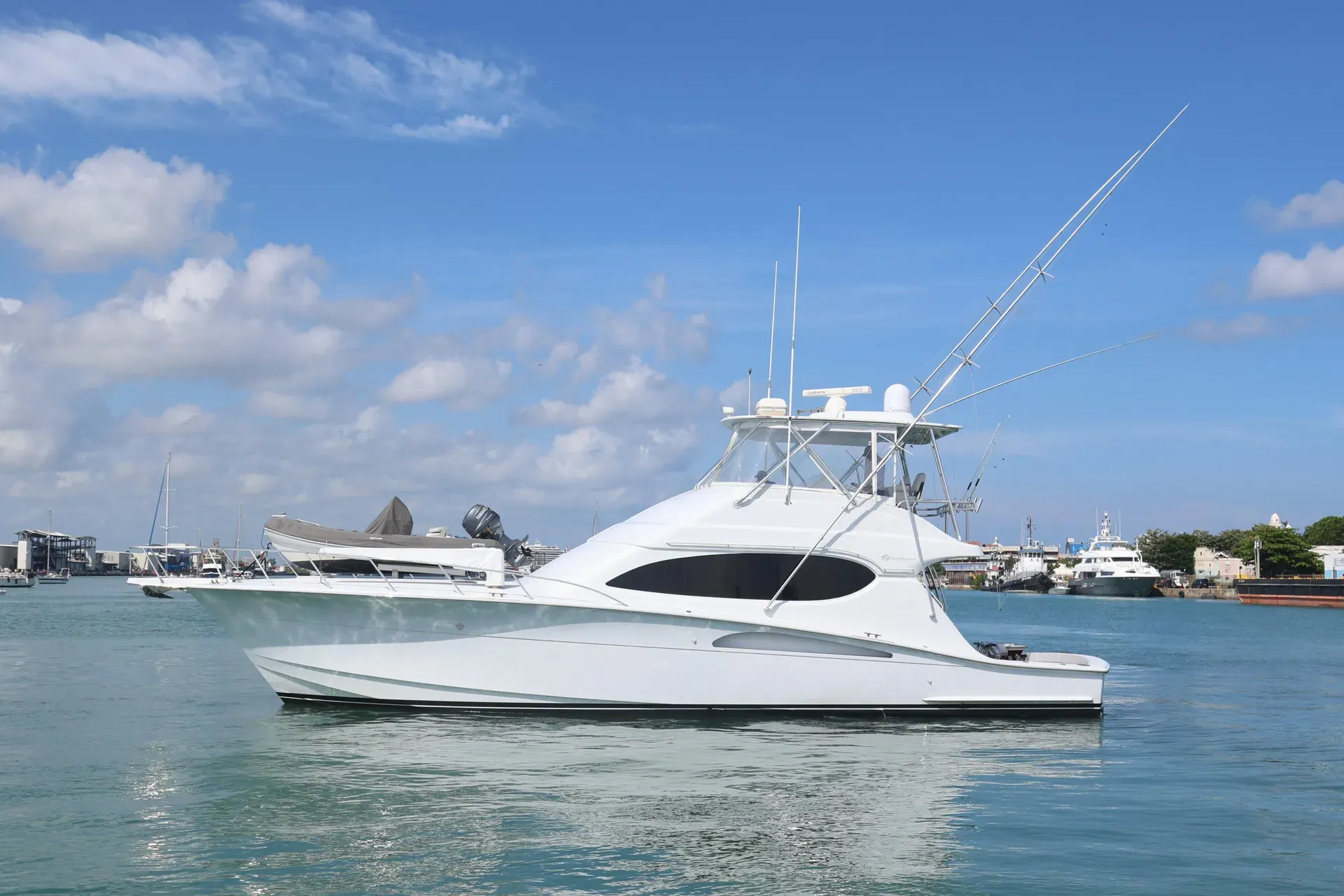
Selling a boat is a time-consuming process that involves advertising, negotiating, and completing paperwork. On a luxury yacht, every one of those steps gets heavier: more expensive systems to document, more demanding buyers, more scrutiny at survey. The good news is that speed and a strong final price are not opposites. Owners who sell quickly for a good number almost always do the same handful of things in the right order, and none of them require guesswork.
This guide walks through what actually moves a yacht sale forward, from the first valuation to the final signature, and where most sellers lose weeks or money.
Start with a realistic valuation, not a hopeful one
Every buyer arrives with a number in their head, and that number came from somewhere. Free boat value tools let you look up values by make, model, year, engine hours, and region, and they cost nothing to use. Pull several of those ranges together rather than trusting a single source. Where the ranges agree, you have a defensible starting point. Where they diverge, you have a question worth answering before you list.
A professional appraisal goes further. Dealers and brokers commonly offer fair market appraisals, sometimes described as no-obligation and returned quickly, and an appraisal carries more weight with a serious buyer than any online estimate. On a luxury vessel, the difference between a market appraisal and an owner's estimate is often the difference between a listing that gets offers in weeks and one that sits for months.
Gather the paperwork before the first showing
Documentation is where fast sales are quietly won or lost. A buyer who cannot verify ownership or service history will slow down, and a slow buyer usually becomes a withdrawn buyer. Put together a clean package early:
- Title and current registration, with any lien release ready if the boat is financed
- Maintenance and service records, organized by date and system
- Engine and generator hours, documented rather than estimated
- Receipts for refits, electronics, canvas, and any recent yard work
- Prior survey reports, if you have them, and the equipment inventory
- Tender, toys, and spare parts lists with what conveys with the sale
Missing paperwork does not just delay closing. It gives a buyer leverage during negotiation, and it can turn a firm offer into a renegotiation after survey.
Pick the right sales channel for your timeline
There is no single best way to sell a boat. There is a best way for your timeline, your vessel, and how much of the process you want to handle yourself. The four common routes behave very differently.
| Route | Speed | Best suited for | What you trade off |
|---|---|---|---|
| Full-service broker | Moderate | Higher-value yachts that need wide marketing reach and negotiated deals | Some control over pricing and showings, plus professional fees |
| Cash buyer or instant offer | Fastest | Owners who need the boat sold and paid off without a long marketing period | Top-of-market price, since the buyer carries resale risk |
| For-sale-by-owner listing | Variable | Owners with time, negotiation experience, and a well-priced boat | Your own hours handling inquiries, showings, and surveys |
| Trade-in with a dealer | Fast | Buyers moving directly into another boat | Full retail value on the boat you are leaving |
Cash offers are typically marketed with same-day checks or a bank payoff, which is why they appeal to owners facing a move, a slip deadline, or an estate sale. Online listing databases reach enormous audiences, with boats.com alone advertising more than 120,000 boats for sale, and those platforms let you update a listing as details change. Brokers bring negotiation experience and a buyer network. Many owners run two routes in parallel for a short window and let the market answer the question.
Prepare the yacht so it shows like the price suggests
Luxury buyers judge condition in the first two minutes. If the teak is tired, the engine room is grimy, or the canvas is mildewed, the offer will reflect it regardless of what the listing says. A focused preparation pass pays for itself:
- Fix the small things first: latches, lights, pumps, seals, and anything a buyer will touch
- Service engines and generator so hours and condition match the records
- Clean the hull, topsides, upholstery, and bilges to a surveyor's standard
- Clear personal gear so buyers can see the actual storage and layout
- Commission professional photography and a walkthrough video that shows the boat honestly
An honest presentation raises the offer and shortens the survey conversation. A polished one that hides problems does the opposite once a surveyor gets aboard.
Price for momentum
Pricing strategy matters more than most sellers expect. A yacht priced just inside a search band gets seen by buyers filtering by price, and a boat that attracts multiple showings in the first weeks generates the competitive pressure that pushes a final number up. Overprice the boat and you spend the first month with no traffic, then cut the price anyway, by which point buyers assume something is wrong.
Build in a small, deliberate cushion for survey findings. Experienced buyers expect to negotiate after the haul-out, and a seller who left no room ends up in a tense renegotiation instead of a clean close.
Market beyond the listing page
A listing in a major database is table stakes, not a campaign. Reach comes from the combination of a clear listing, strong images, a video walkthrough, and direct outreach to brokers and buyers already shopping in your size and style. Answer inquiries the same day. Buyers shopping actively are usually talking to several sellers, and the one who responds first gets the sea trial.
Handle offers, sea trials, and paperwork cleanly
A verbal number is not an offer. Confirm in writing what the buyer is proposing, what the deposit is, and what contingencies apply, usually survey and sea trial. Then keep the process tight: schedule the haul-out promptly, provide your documentation package to the surveyor, and respond to findings with a clear yes, no, or counter. Once terms are agreed, closing runs on paperwork, so have a bill of sale, title transfer, and lien release ready to move. If any document needs verification from a state agency or lender, confirm the current requirement with that office rather than relying on what worked for a previous sale.
Where delivery and training remove buyer hesitation
Some deals stall for reasons that have nothing to do with price. A buyer loves the boat but is not confident moving a large vessel, or needs it relocated to a home port before the slip is available. Offering delivery to the buyer's destination, or a training session on the water, can convert a hesitant buyer into a committed one and keeps the closing on schedule. Captain Jeff's Yacht Delivery provides power vessel delivery for boats from 35 to 80 feet along with on-the-water training for new owners, which is worth mentioning in your listing conversations if your buyer is new to a boat of this size.
Frequently Asked Questions
How long does it take to sell a boat?
It depends on your channel, price, and condition. A cash buyer route can move to a check or bank payoff quickly, while a brokerage sale includes listing, showings, negotiation, survey, and closing. Well-priced, well-documented boats in good condition move fastest. Ask each route for a realistic timeline before you commit, and treat any promised date as an estimate rather than a guarantee.
Should I sell to a cash buyer or list with a broker?
Cash buyers trade price for speed because they take on the resale risk. Brokers reach more qualified buyers and negotiate on your behalf, which usually supports a higher final number but takes longer. If you need the boat gone and paid off, a cash offer makes sense. If you can wait for the market, broader marketing usually wins.
Do I need an appraisal before listing my yacht?
It is not required, but a fair market appraisal gives you a defensible asking price and answers buyer questions with evidence. Free value lookups by make, model, year, engine hours, and region are a useful starting point and cost nothing. Use both: the free estimates to see the range, an appraisal to anchor your number.
What paperwork do I need to sell my boat?
At minimum, expect a title, registration, bill of sale, and a lien release if the boat is financed. Buyers and surveyors will also ask for service records, engine hours, equipment inventory, and any prior surveys. Confirm transfer requirements with your state registering agency and your lender, since documentation rules vary by location.
Can I sell a boat that still has a loan on it?
Yes, but the lien has to be cleared for the title to transfer. Some buyers handle this by paying off the lender directly rather than paying the seller, which is why cash offer services often advertise a bank payoff. Talk to your lender about the payoff process and get the release in writing before closing day.
The bottom line
The fastest sales are rarely the result of one clever move. They come from a defensible price, a documentation package that survives scrutiny, a channel that matches your timeline, and a boat that shows the way the listing promised. Get those four right and the negotiation becomes about details instead of doubt, which is exactly where a good final number comes from.