How to Find a Yacht Broker Experienced With Large Vessels
· Captain Jeff
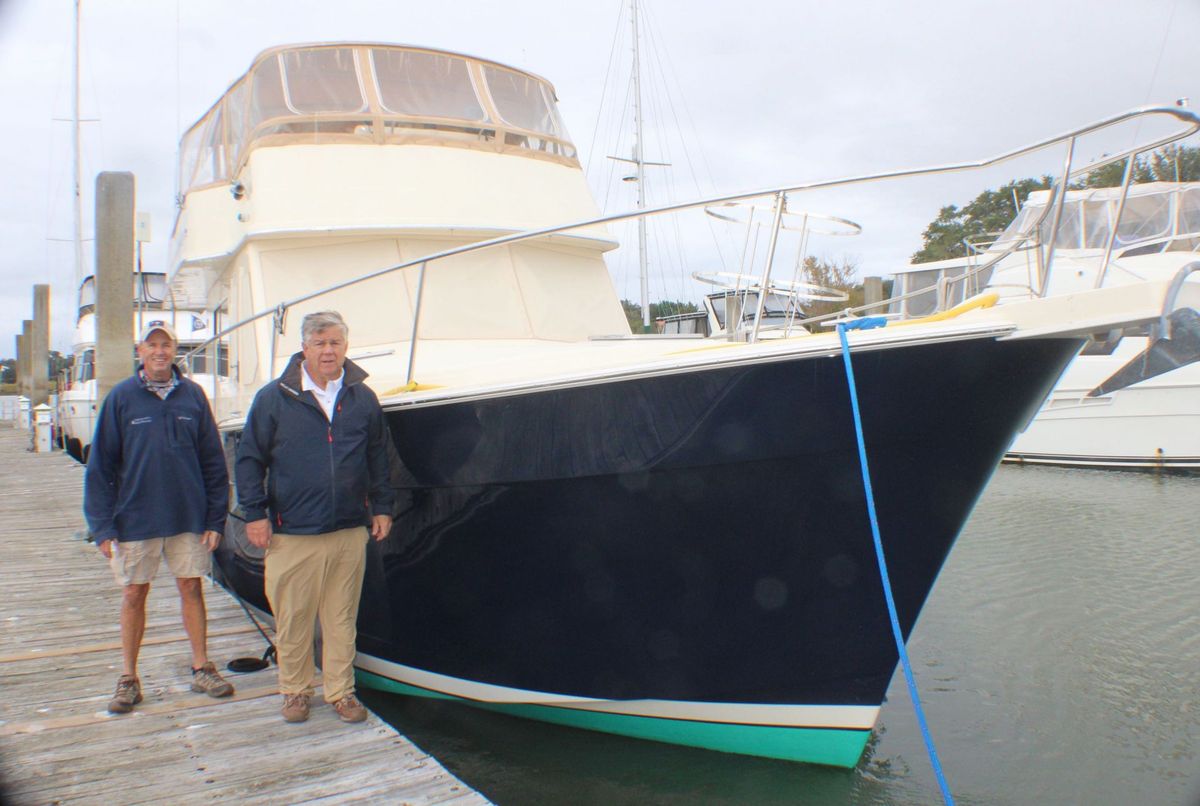
A 30-foot center console and a 70-foot motor yacht do not belong in the same conversation, and neither do the brokers who sell them. Once a vessel moves past a certain size, the transaction picks up survey scope, crew considerations, insurance questions, dockage planning, and a delivery leg that someone has to actually execute. Choosing representation for that purchase is a decision about experience, not about who has the flashiest listing photos.
If your search history already includes BuyAYacht style queries and late-night scrolls through #buysellyacht feeds, the next step is figuring out who should be standing on your side of the table. This guide covers what a buyer's broker does, what to ask before you sign anything, and how a large vessel actually gets from the listing page to your home dock.
Why vessel size changes the broker conversation
A large yacht is a system of systems. Machinery, stabilization, electronics, tender storage, crew quarters, and hull construction all get more complex as length increases, and each one carries a survey and negotiation implication. A broker who spends most of their year on smaller boats may still be honest and hardworking, but they will be learning on your transaction.
Experience shows up in small ways that matter later. A broker who handles larger vessels knows which surveyors are comfortable with the machinery, how a sea trial is typically sequenced, and what a yard period realistically involves before a closing date. None of that is exotic knowledge, but it is specific, and specificity is what you are paying for in representation.
What a buyer's broker actually does for you
Many first-time large boat buyers do not realize they can have a broker represent their interests at no cost to them. A buyer's broker works for you, not the seller. That arrangement typically includes help finding suitable vessels, which flips the usual dynamic where the only person with professional representation is the one collecting the check.
The practical value breaks down into a few areas:
- Filtering inventory before you travel. A broker can rule out boats that fail your must-haves so you are not spending weekends on flights to inspect the wrong vessel.
- Reading the listing behind the listing. Hours, owner history, refit documentation, and the difference between a fresh listing and a stale one all change the conversation.
- Structuring the offer. Price is only one term. Survey contingencies, deposit handling, and timing all sit alongside it.
- Coordinating the professionals. Surveyors, mechanics, and the sea trial schedule need to line up, often inside a short window.
- Staying on the file after closing. A good relationship continues into delivery, training, and the first season of ownership.
Ask directly, early, who pays your broker and how. Getting that answer in writing before you start viewing boats removes ambiguity later.
Where large-vessel inventory actually lives
Search volume online is enormous, which is good news and bad news. A YachtWorld boat search returned 85,563 new and used boats for sale from private sellers and dealers, a number that shifts constantly as listings come and go. Within that ocean, brand-specific inventory is easy to isolate. TheYachtMarket, for example, listed 128 Nautor Swan boats for sale from around the world, including models such as the Swan 60, Swan 44, and Swan 48.
Geographic concentration matters too. BuySellYachtSales.com, a brokerage listed in Fort Lauderdale, Florida, at 2598 E Sunrise Blvd, is one example of how much of the brokerage world clusters in a handful of marine hubs. Brokerage also exists well beyond the continental United States. One Caribbean-based brokerage advertises yacht brokerage, boat and yacht sales, and nautical project management, and invites inquiries about specific boating wishes rather than only what is currently listed.
What does that mean for you? A capable broker is not limited to what appears in a portal search. Off-market vessels, owner-direct conversations, and boats that have not been formally listed yet are a real part of how larger yachts change hands. Ask your broker how they source inventory beyond the public listings.
Questions to ask before you commit to a broker
You are interviewing, even if it does not feel that way. A short list of questions separates the specialists from the generalists quickly.
- What share of your transactions involve vessels in my size range over the past few years?
- How many of those did you represent the buyer on, rather than the seller?
- Who pays you, and can you explain that structure in writing?
- Which surveyors and yards do you typically work with for a boat like this, and why?
- How do you handle a vessel located outside your home region?
- What is your communication pattern during an active search, and who covers for you when you travel?
- Can you connect me with past buyer clients in a similar situation?
Listen for specifics. A broker with real large-vessel depth answers these in concrete terms. A broker without it tends to answer in generalities and pivots to how many listings they carry.
When a large yacht sits on the market
The selling side has its own version of this conversation. One brokerage's marketing claims it has taken yachts that sat with large brokerages for over a year and sold them in two to three months. Treat that as a claim from a service provider, not a guarantee, but the underlying point is worth hearing: stale listings usually have a reason, and the reason is rarely just price.
For a buyer, a long-dormant listing can be an opportunity or a warning. It is worth asking why a boat has not moved. Documentation gaps, deferred maintenance, an unrealistic owner, or simply poor presentation all look different under a survey, and a broker who has done this before will ask that question before you spend money on travel.
From accepted offer to sea trial and closing
The period between an accepted offer and closing is where a large purchase gets won or lost. Survey haul-out scheduling, mechanical inspection, electronics verification, and the sea trial all need sequencing, and weather can compress the calendar without warning. A broker who has run this process on comparable vessels keeps it from becoming a scramble.
Build in time for the parts that always take longer than expected. Records requests from the owner, insurance quotes on a specific hull, and yard availability are common bottlenecks. None of them are reasons to panic if they were anticipated from the start.
Planning the delivery and the first weeks of ownership
Closing is not the finish line. A large vessel often needs to move from where it was surveyed to where it will live, and that trip is a professional delivery question, not an afterthought squeezed into a weekend. Route planning, weather windows, fuel stops, and crew scheduling all sit in that decision.
The first stretch of ownership is also when new owners discover how much boat they have bought. On-the-water training before or shortly after delivery pays for itself in confidence, particularly for a buyer stepping up in size or moving from a different hull type. Ask your broker and your delivery captain early about timing, so training does not get pushed to the following season.
One more consideration for buyers shopping internationally: support does not stop at the border. A brokerage working in the Caribbean with nautical project management experience is a different resource than a local dealer, and it is worth understanding what happens after the handshake if the vessel will be based far from where you bought it. Verify the specifics of any cross-border arrangement with the appropriate maritime attorney and tax professional rather than relying on a casual answer.
The short version
Find a broker who has closed transactions on vessels in your size range, who will represent you rather than the seller, and who can explain the payment structure before you tour a single boat. Confirm how they source inventory beyond public portals, ask how they handle survey and sea trial logistics, and plan the delivery and training pieces before closing rather than after. A large yacht purchase rewards preparation, and the right broker is the person who brings it.
Frequently Asked Questions
Does it cost anything to use a buyer's broker?
In many cases, no. A buyer's broker can represent your interests at no cost to you, because the commission structure usually comes out of the transaction rather than your pocket. Ask each broker to confirm their arrangement in writing before you begin viewing vessels, since structures vary by brokerage, listing, and location.
Can a broker find boats that are not publicly listed?
Often yes. Brokerages advertise featured yachts while also inviting clients to describe their boating wishes, which reflects how much of the market moves through direct conversations. Off-market and pre-listing vessels exist at the larger end of the market. Ask your broker how they source inventory beyond the major listing portals.
How long should selling a large yacht take?
There is no reliable standard, and you should be skeptical of anyone offering one. One brokerage markets that it has sold yachts in two to three months after they sat with larger firms for over a year, but that is a provider's claim rather than a benchmark. Pricing, condition, documentation, and presentation drive the timeline more than anything else.
Should I use a broker near the boat or near me?
Both can work. What matters is whether the broker knows the vessel type, the local survey and yard resources, and the logistics of moving the boat afterward. Brokerage clusters in places like Fort Lauderdale, and some firms operate across regions such as the Caribbean, so a good broker can cover distance if they have the right local contacts.
What should I arrange before the closing date?
Line up insurance, dockage, and a plan for moving the vessel from the survey location to its new home. If you are stepping up in size, book training as well. Delivery scheduling, weather windows, and crew availability take coordination, and starting those conversations before closing keeps the first weeks of ownership calm.